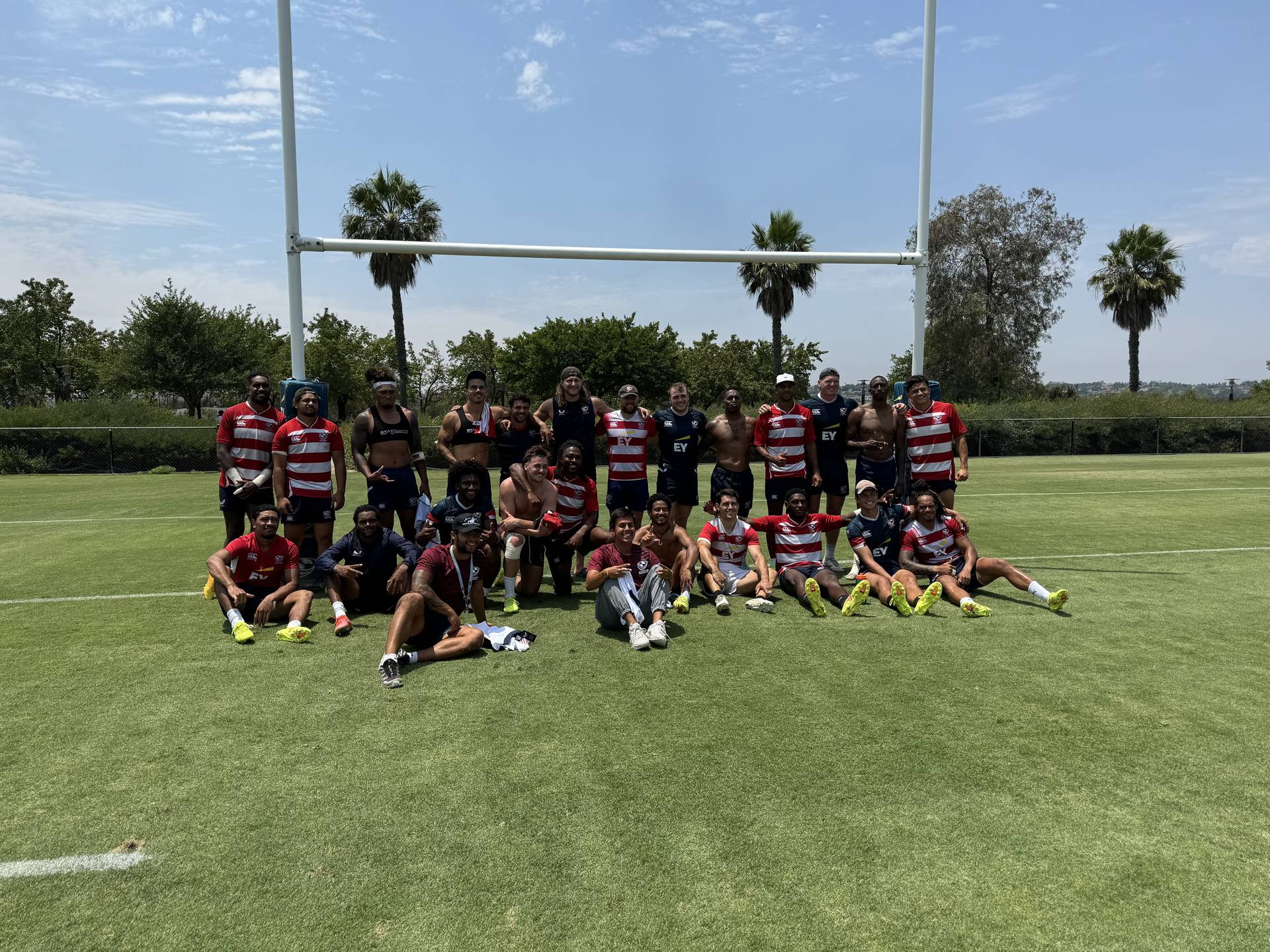
USA Men’s Rugby 7s Team
Speed & Athletic Development
Train With Purpose. Train With Data. Get Faster.
Data-driven speed and athletic development that helps athletes move better, get faster, and track their progress.
Data-driven speed and athletic development that helps athletes move better, get faster, and track their progress.
Athletes train in a high-level environment built around state-of-the-art testing technology, experienced coaching, and purposeful programming. Mullen Performance applies lessons from NFL offseason and Combine training, USA Rugby, and NCAA sports science to bring the standards of elite performance settings into every session.
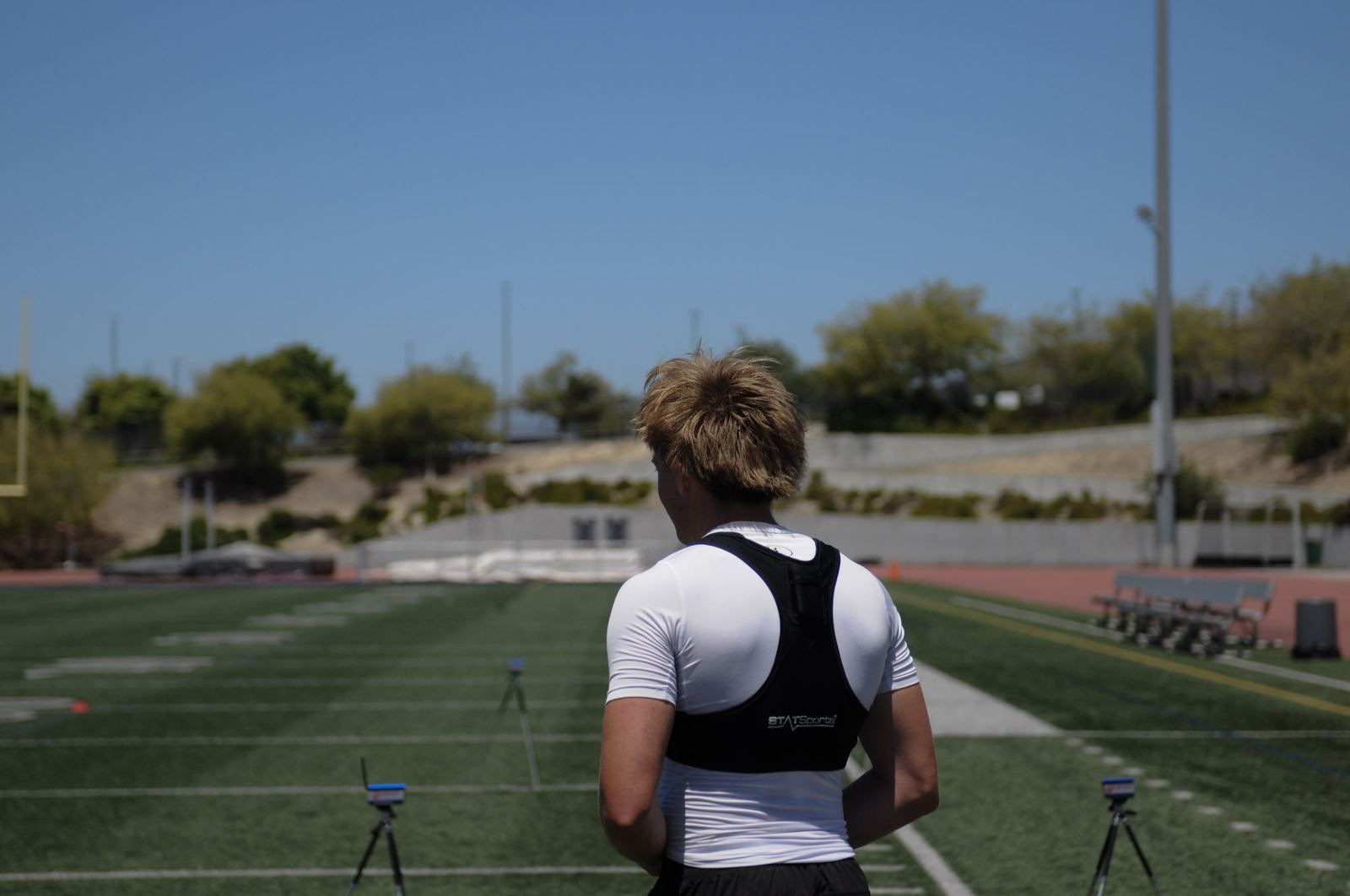
A simple process that keeps every athlete's program grounded in real, measured data from day one.
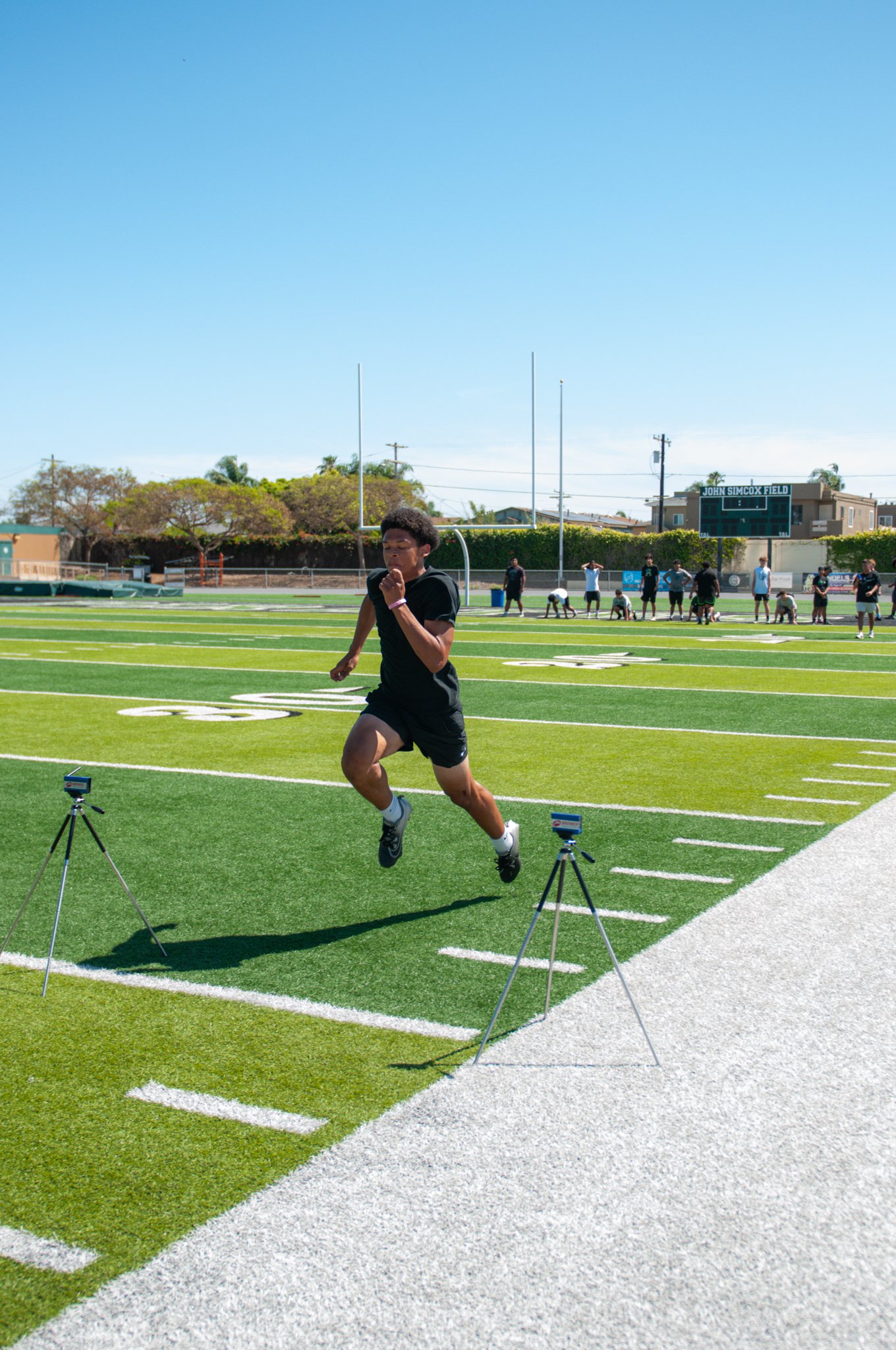
Every athlete starts with a diagnostic testing session using laser and GPS timing to establish an objective speed profile that includes acceleration, top speed, and technical proficiency.
Programming is built around that data rather than a template. It targets the specific limiter the testing reveals, whether that is force, velocity, or mechanics.
Objective testing continues every session, so progress is tracked against real numbers instead of a subjective feel for how training is going.
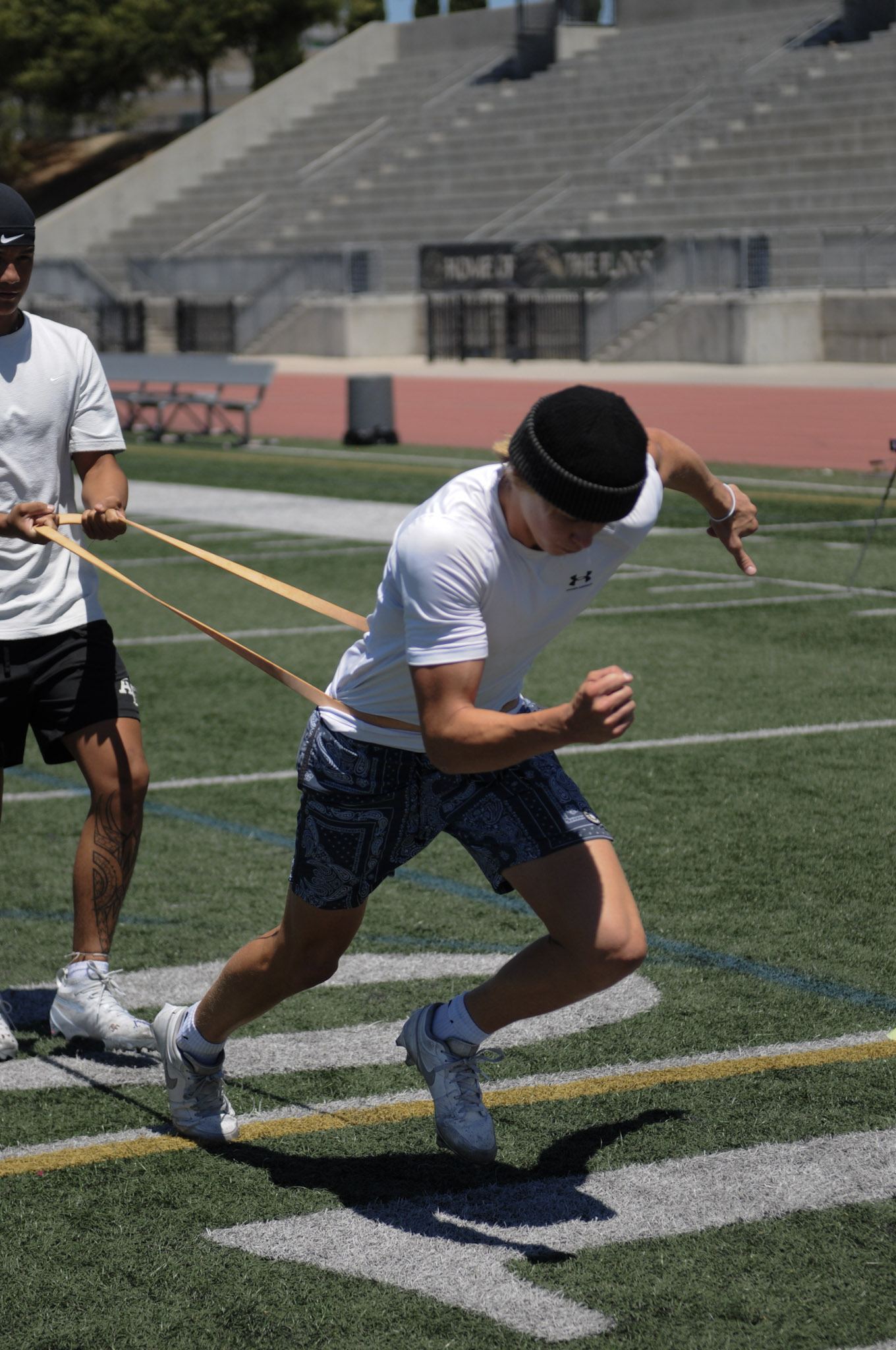
Speed is built through force production, rate of force development, and efficient sprint mechanics.
Speed depends on an athlete’s ability to apply force into the ground. Sprint training develops the force needed to accelerate and project the body forward.
Speed also depends on how quickly force can be applied. High-intensity sprint work trains the athlete to produce force rapidly and express it at the right moment.
Sprint mechanics focus on stride length and frequency, posture, frontside mechanics, and hip projection.
This approach is backed by experience in NFL offseason and Combine training, previous USA Rugby strength and conditioning experience, and an NCAA sports science background.
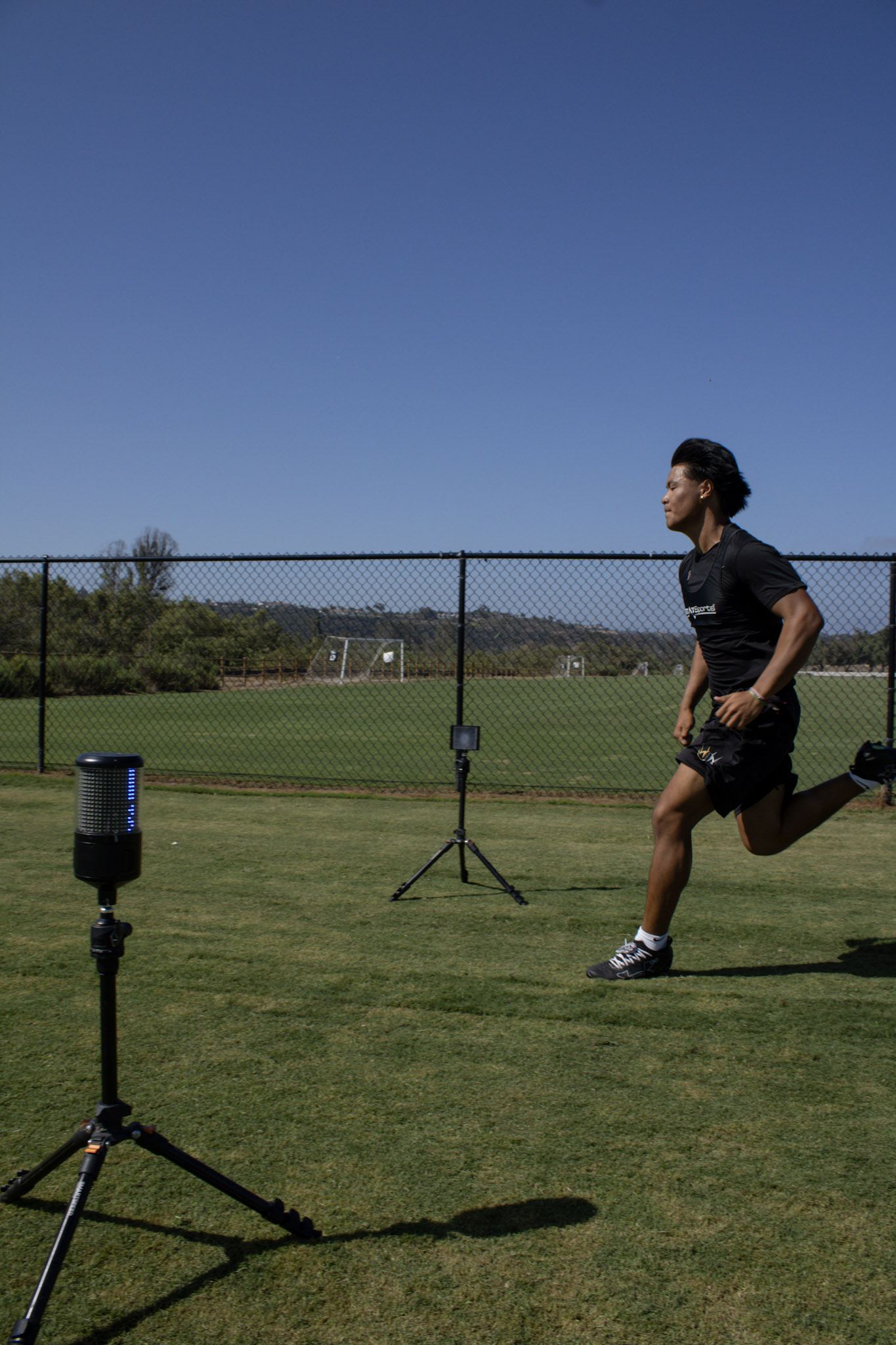
Training decisions are backed by data, not guesswork. Every session includes objective testing, and updated progress reports keep athletes and parents up to date on exactly how training is paying off.
Acceleration, top speed, and split times are captured with laser and GPS timing technology, not a stopwatch estimate.
Kinematic and force-velocity data identify whether an athlete's limiter is force, velocity, or technical proficiency, so programming targets the real bottleneck.
Objective feedback isn't a once-a-season event. Every athlete receives updated progress reports as training continues, so improvement is visible, not just assumed.
Every athlete’s testing numbers are compiled into a personal report, updated as training continues, so it’s always clear exactly what’s improving and by how much.
Improvement across the training period
From individual attention to full team training. Pick the path that fits.
Reach out for program details and pricing. Every plan is built around your goals.
Contact Mullen Performance